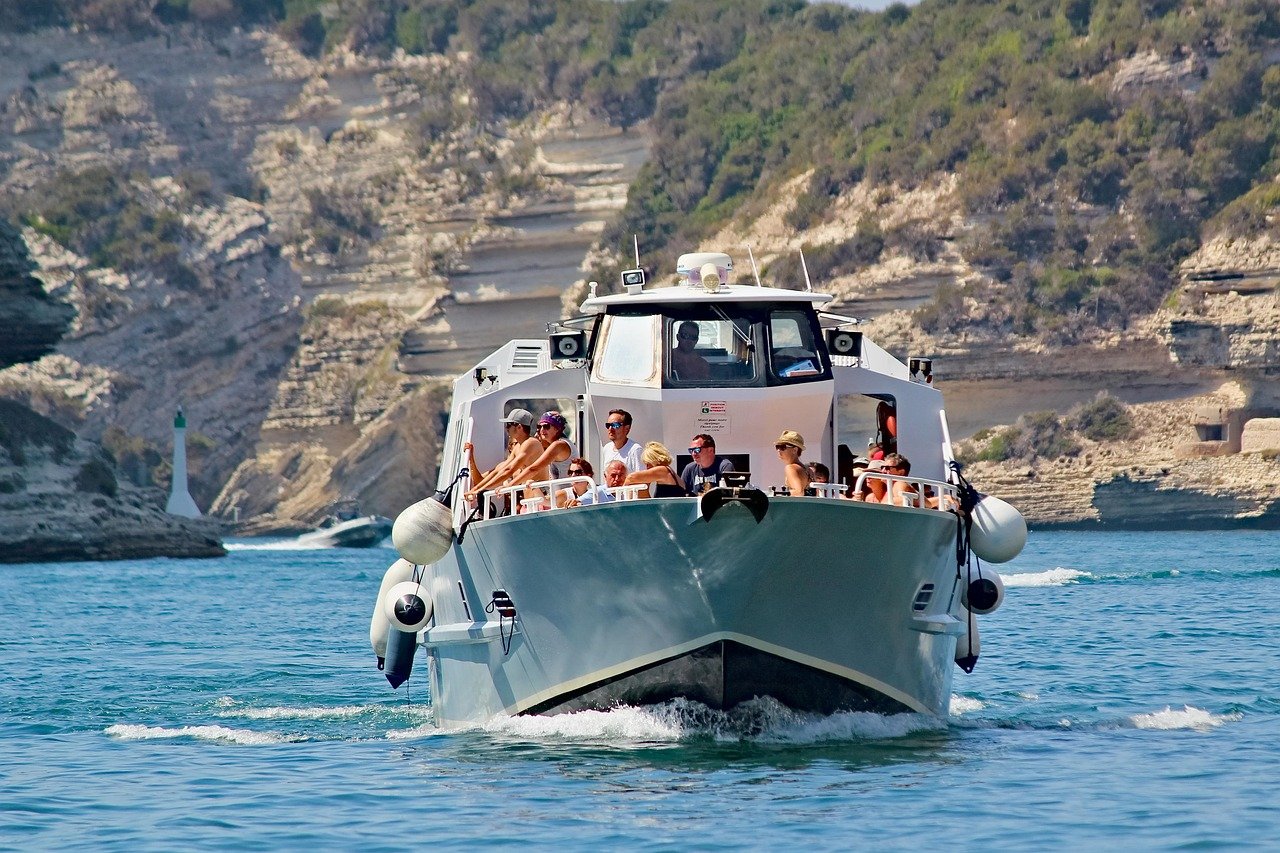
Essential Steps for Safe Boating: Navigating with Caution
Alright folks, let’s talk about sailing the open seas. Or the not so open ones, like your neighbor’s pond that they temporarily invaded for a really extravagant duck-related prank—I’m not here to judge. But my task here, in this highly esteemed literary corner of the worldwide web, is to impart some nautical knowledge, specifically in the area of boating safety.
Rule Uno: Lifejackets Aren’t Just Fashion Statements
Oddly enough, that neon orange lifejacket isn’t just a bold fashion choice. Turns out, it’s somewhat vital for survival. If you’re going overboard (excluding Pirates of the Caribbean style sea-battles), a life jacket buys you a precious advantage over the Darwinian realities of water.
While it may not compliment your sundress or Hawaiian shirt quite like you’d hope, nothing says “responsible mariner” like a life jacket snugly strapped to your chest. Remember: the general rule of thumb is one life jacket per person aboard—and no, your Golden Retriever doesn’t count. Sorry, Fido.

Rule Deuce: Know Your Whistle Signals
If you want to communicate on the water, mastering whistle signals is imperative. Heck, it’s a language all its own. Two short blasts on your whistle means “I am altering my course to starboard (right).” Three short blasts mean “I am operating astern propulsion (I’m reversing).” And a single, mournful blast means, “I’ve dropped my sandwich overboard”. Okay, just kidding about that last one, but you get the point.
Rule Three: Always Check The Weather
On any boat trip, treat your weather forecast like a prophetic forecast from a magic eight ball—seriously. Weather can change fast, especially out at sea. A sky that looked like a Bob Ross painting one minute can warp into an Edvard Munch ‘Scream’ replica faster than you can say, “weather radio”.
Frequently Asked Questions
Laughs aside, here is some serious info that’s frequently inquired after in the boating world.
Why Should I always have a Float Plan?
Having a float plan means letting someone who isn’t attached to the voyage, like your paranoid aunt or a particularly nosy neighbor, know the specifics of your trip: where you’re going, who’s with you, when you’re expected back, etc. If disaster strikes, having someone on land with that information could be a literal lifesaver.
Should I Carry First Aid Supplies?
Yes. And then some! Besides Band-Aids, think burn creams, disinfectant sprays, scissors, tweezers, gauze – you’re getting the picture. You might not need it until you’re trying to remove a fishing hook from your cousin’s nostril, but when you do, you’ll thank your lucky stars you brought it along.
What about Nautical Charts?
Always have them. If you’re on the water, chances are you’re not within honk-distance of an Auto Zone. The GPS that you have faith in may suddenly decide to take a nap—the moody device! So, having a nautical chart handy is crucial for moments like these.
As the captain, can I Drink?
Tempting, but no. If you’re steering, you’re swearing off the sauce. Water DUIs are a thing! Plus, who’s going to man the ship when you’ve too much rum, Captain Sparrow?
Should I carry a signal flare?
Always, my hopefully-not-to-be-stranded friend. Besides being great for recreations of that climactic scene from Titanic (“I’m the king of the world!”), signal flares are a must-have.
Conclusion:
Venturing onto the water? Heed this advice, captains! Whether it’s for pleasure, sport or misadventure, boating safely should always be your prime priority. Remember, life jackets are your best friends, a whistle is your language, and the weather is your mysterious and at times, stubborn co-passenger. The sea’s siren call might be tempting, but with proper precautions, your nautical journey will be smooth sailing, not ‘Survivor’-the-reality-show like. Now go forth, feel the wind in your hair, and keep safety as your guide. Bon voyage!