Boating Safety: 10 Essential Tips for Safe Sailing
Okay, let’s start with a universal truth: Boating is like flying with gravity helping you out! It’s wind in your hair, sun on your skin, and endless adventure on the horizon. But like all best things in life, it comes tagged with responsibility. In this case, it’s about ensuring you, your loved ones, and your floating castle of freedom return safely to shore after exploring the deep blue yonder
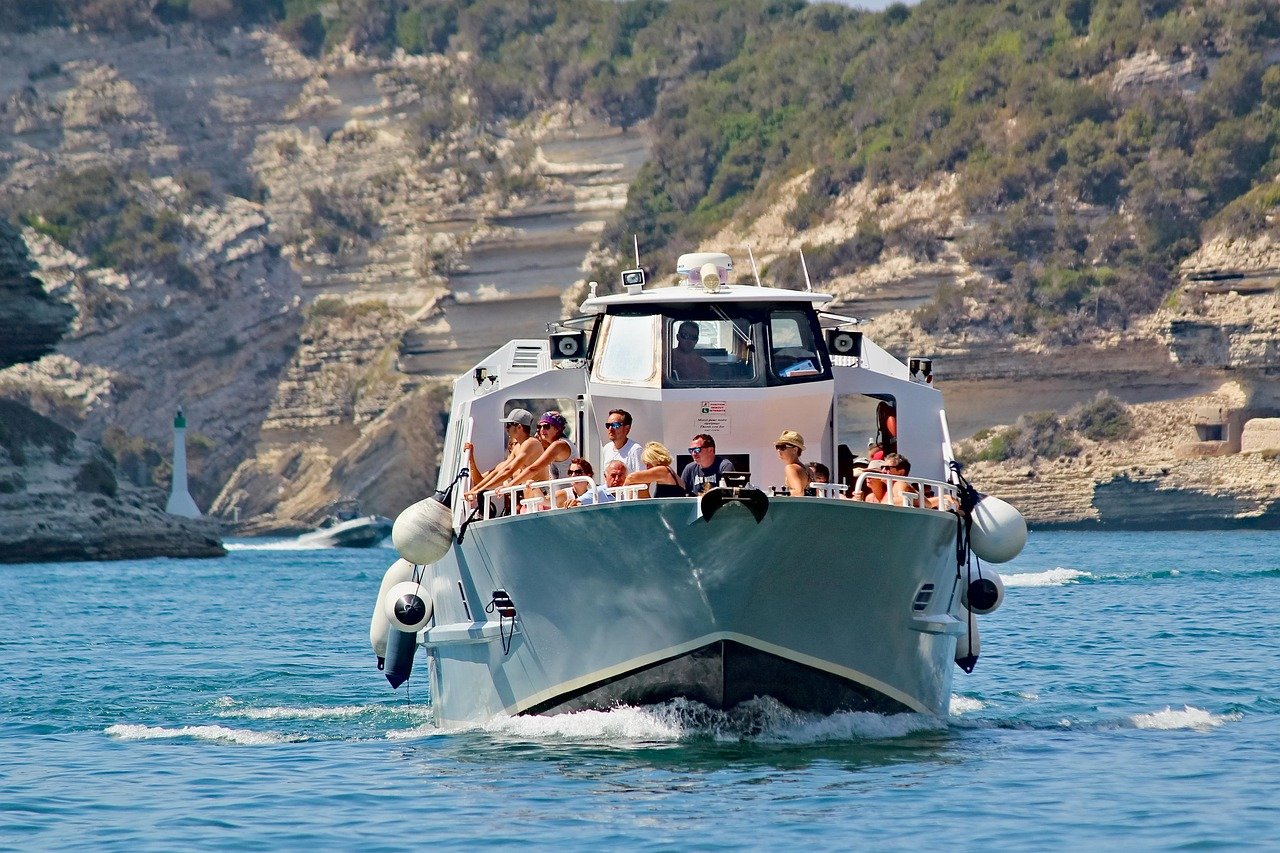
Understanding the Basics of Boating Safety:
Boating safety is the water version of common sense, with a dash of preparedness and a sprinkle of voice-of-reason (that sober friend who helps you get home from a party).
Rule #1: You cannot ignore water. It’s fun, but it’s vast, powerful, and it doesn’t play fair. Treat it with respect. Check local weather conditions before setting sail. If you see dark clouds or changing winds, take a rain check. Remember, boats don’t come with brakes.
Rule #2: Buddy up with Lifejackets. Treat them as your best pals on water, especially when you don’t know how to swim. According to a study by Captain Obvious, people wearing life jackets are significantly more likely to survive a boating mishap. ‘Nuff said!
Rule #3: Take advantage of a free Vessel Safety Check. It’s like insurance, but for free. The U.S. Coast Guard offer vessel reviews, checking craft to ensure compliance with safety regulations. If they give you the green light, you’re good to go.
Rule #4: Don’t drink and boat. That bottle of rum may look tempting, but save it for when you’re safely anchored in a harbor pavilion.
Knowing your Boat inside-out!:
A ship’s captain doesn’t just stand at the helm, looking dashing. They understand their vessel, it’s strengths, and how it behaves in differing conditions. The larger the boat, the longer it takes to turn, to stop, and the harder it is to see other vessels or water hazards.
Engines:
Love your engine, and it will love you back. An engine check should be as necessary as breathing. Check for any leaks, loose belts or low oil levels before setting out.
Navigation and Communication Equipment:
Investing in good navigation and communication gear is like hiring your own personal scout and messenger for your aquatic adventures. Learn how to use them, and remember, they’re not there as a fancy bragging right.
Safety Equipment:
These are compulsory items; flares, marine radio, first aid kit, and fire extinguishers. Stay safe and CALM, especially when dealing with emergencies. Getting hysterical is not the best lifesaving technique

Preparing for the Worst:
Boating is 10% sailing and 90% avoiding problems. Make sure that you and your crew know what to do in an emergency. Like, practicing how to “abandon ship” into a life raft without getting drenched.
Frequently Asked Questions
Is boating hard?
Ah, the beauty of boating is that it’s much like riding a bicycle, but wetter. It becomes second nature with practice.
Is it compulsory to wear a life jacket while on a boat?
Well, it’s not a fashion statement, it’s an international regulation. Ignore it at your peril!
Is boating expensive?
It could be. It’s like asking if eating out is expensive. It depends on where you go, what you eat and if you leave a tip.
What to do if the boat is in distress?
That’s when your boating safety knowledge kicks in. Use your marine radio to send a distress signal, and remember to stay calm.
Can anyone operate a boat?
In theory, yes. In reality, a responsible boater would never let “just anyone” operate their boat. Safety first, people!
Conclusion
So, in short, boating is a blast, but it’s not without hazards. Understanding boating safety is a crucial part of being a responsible boat owner. Use your sea-smarts and keep an eye on the conditions, your craft, and your crew. Remember, the most important piece of safety equipment on a boat is a well-prepared and well-equipped captain. By following these boating safety tips, we promise you a voyage full of exciting, and above all, safe boating adventures. Now go out there, enjoy the waters, but most importantly…stay afloat! Because as we all know, happiness comes in waves, but safety should be constant.