
Mastering Maritime Safety: Top 10 Boating Tips to Follow
Ahoy there, sea dogs and sea pups, lend us your shell-likes (ears for you landlubbers!) as we navigate these stormy waters of ‘Boating Safety and Tips.’ Be not afeared! There’s more to boating than just standing at the helm looking handsome and dashing like a poster child for a nautical adventure. With a whole sea of knowledge ahead, sail forth, young sea squire, and let not the waves dampen your spirits.
Essential Equipment – More Important than Your Pirate Hat!
Before you set out, it’s crucial to ensure you have all the important stuff. No, we’re not talking about potato chips and six-packs, but life-saving equipment like personal flotation devices (PFDs). These lifesavers aren’t touted as fashionable beachwear, but they do a good job of keeping you afloat should the Kraken decide to toss your boat around like a pesky seagull’s afternoon snack. Every crew member (yes, that includes the family dog) should have a well-fitting PFD.
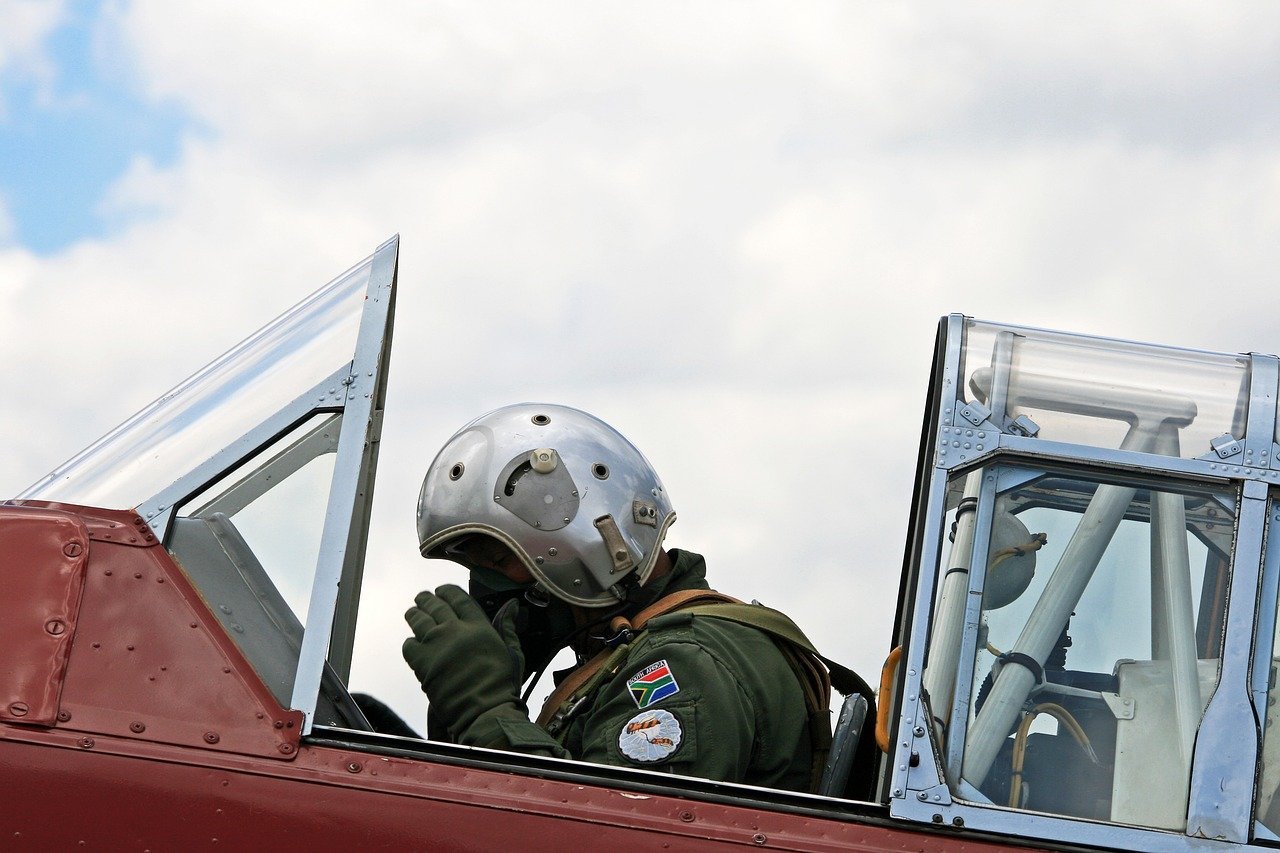
Also, a navigation compass is your best friend when navigating through uncharted territories. I mean, the mentality of “getting lost is part of the journey” doesn’t apply when the possibility of being marooned with a volleyball named ‘Wilson’ stares you in the face.
Common Boating Mistakes – Don't Be That Guy
Respect the waters, young sea dogs, or risk becoming yet another water cooler tale at the mermaid lounge. For instance, never exceed your boat’s capacity, unless inviting Poseidon’s anger sounds like a fun day excursion. Overloading can lead to instability, and you really don’t want to take a sudden dive unless you’ve discovered Atlantis.
Similarly, ignoring weather forecasts to bask in your rugged sailor image is as wise as adopting a kraken for a pet. Weather conditions can change in a heartbeat, and the high seas don’t play around when it comes to tantrums.
Avoiding Common Hazards – Because Sharks Aren't the Biggest Threat
Drowning is a no-no for all seafarers. Keep an eye out for everyone aboard, especially the little ‘uns. If you fancy a swim, do so near the shore, and never ever swim under your boat.
Watch out for propeller strikes. Switch off your motor when anchored or moored, and especially when people swim near the boat. Remember, you’re on a family trip, not auditioning for a role in a slasher flick.
Rules Of The Water – Not Just Pirate Code
Just as you would on a road trip (no, not the one where you run on fumes and hope for the best), following rules and regulations is critical on the water. Learn the boating laws of your area. Speed limits, no-wake zones, and right-of-way rules are not suggestions, nor are they getting in the way of your pirate fantasy.
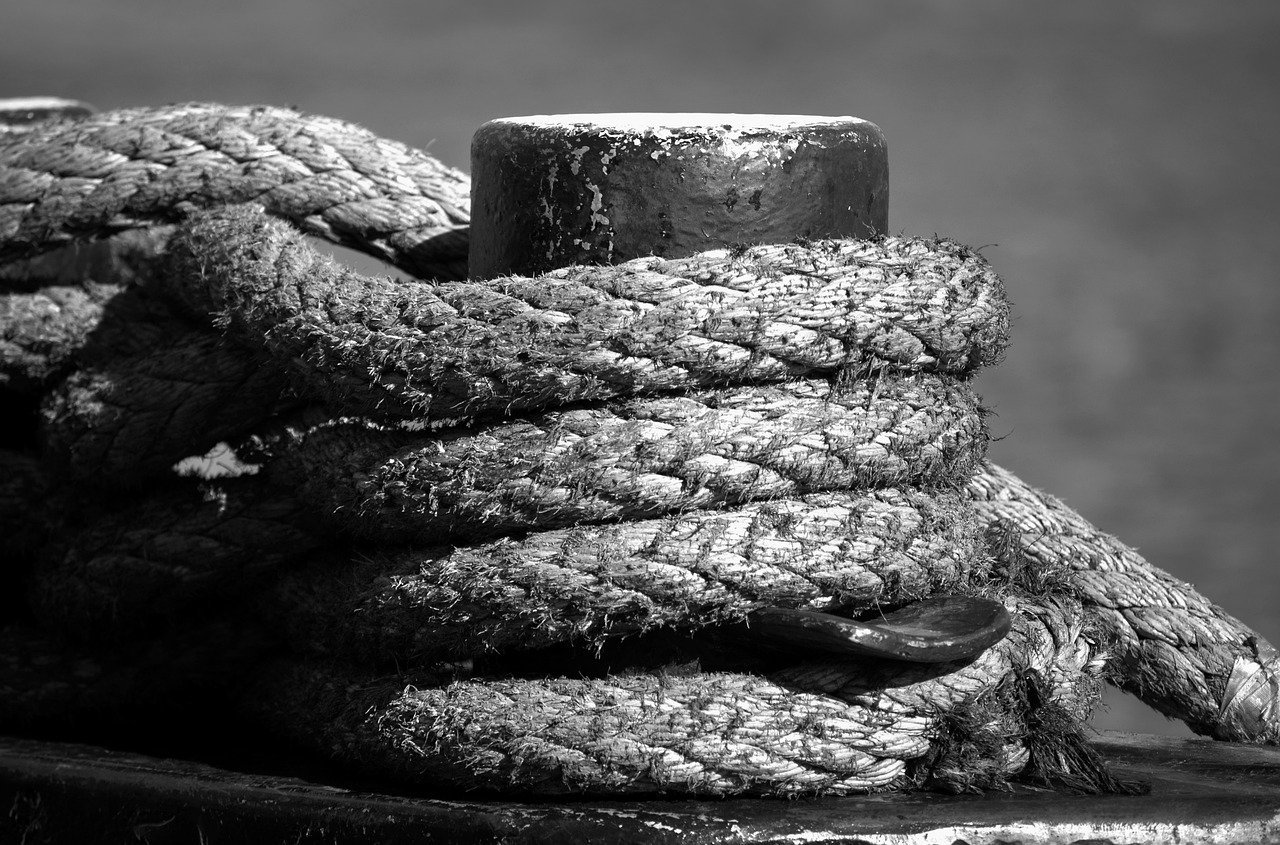
Get yourself a boating license. It’s as essential as a parrot on a pirate’s shoulder. Remember, smooth seas don’t make a skillful sailor, good habits and knowledge do.
Frequently Asked Questions
Do I need to worry about sea monsters?
Unless your name’s Captain Ahab, or you’ve seriously offended Poseidon recently, you’re probably safe. Concentrate on common sense and safety measures.
Can I drink and steer?
While sipping rum like Captain Jack Sparrow seems romantic, it’s actually illegal. Getting DUI charges while on a boat is a real thing – spare yourself the embarrassment.
Can I use my smartphone for navigation?
While there’s an app for almost everything these days, relying on your smartphone for open water navigation is akin to using a fork for drinking soup. Invest in proper navigational equipment.
Should I have a first-aid kit on my boat?
An absolute yes! It’s better to be safe than sorry as mishaps can occur anytime. Your first-aid kit can patch up injuries until professional medical help is available.
Do I need to check my equipment before each trip?
Indeed, you do. While it might seem tedious, neglecting a quick pre-trip equipment check can lead to dangerous situations.
Conclusion
Boat safety isn’t about swapping fun for fretting. It’s about creating a safe environment to enjoy your time on the water. Leave recklessness for action movies and approach boat safety with humor and commitment. Mind your PFDs, don’t overestimate your boating skills, and be aware of weather conditions. Remember, a good sailor respects the sea and the safety of his crew. It’s time you charted your course to become a true mariner!