Top 10 Boating Safety Tips: Nautical Know-How for Beginners
All Aboard for Boating Safety!
Ahoy, mateys! Put down your grog and parrots: It’s time to clap eyes on the adventurous world of boating safety tips. Life on the high seas—or maybe just a placid lake—can be fun, exciting, and surprisingly safe, if you just stick with a few key guidelines. So, polish your peg leg, straighten your captain’s hat, and let’s set sail into the briny deep of boating best practices.
The Nautical Basics
Every seafaring adventure begins with the basics. Before you blow your boat horn and wave to all the landlubbers you’re leaving behind, make sure your vessel is seaworthy. Check your boat’s condition. Look for any signs of damage, leaks, or naughty seagulls trying to hitch a free ride.
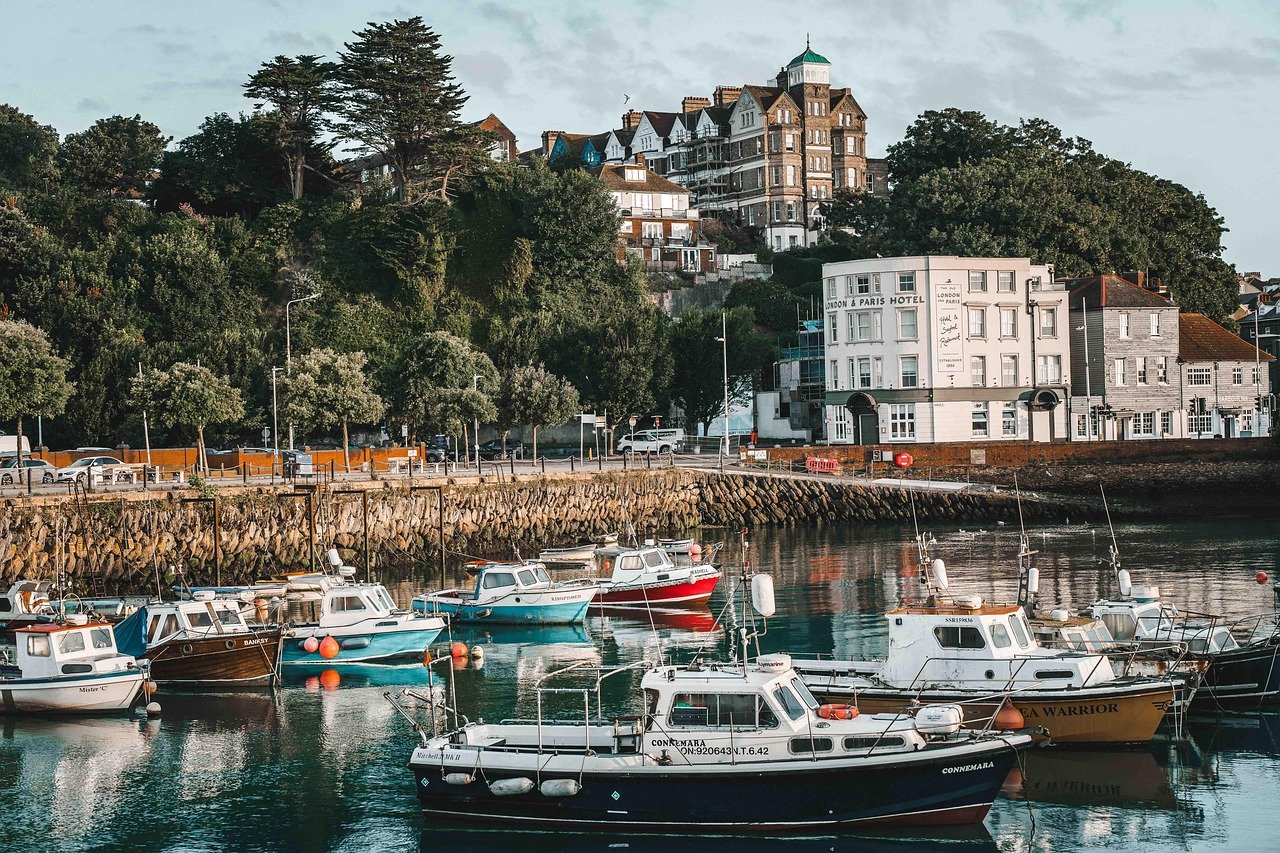
Also, ensure that you have enough life jackets for all aboard. Not just any life jackets will do. They need to be the right size to actually, you know, save lives. Some of you may feel that life jackets cramp your style, but hey, a little humility is a small price to pay for not being shark lunch!
And speaking of critters with sharp teeth, let’s talk about the safety gear you MUST have on board. Apart from life jackets, safety flares (to signal an SOS), first-aid kits (for those pesky pirate duels), and fire extinguishers (flaming arrows, anyone?) should always be close at hand.
Weather or Not, Here You Sail
Listen, I get it. You purchased the Speedo, you’ve stocked the cooler, and you just can’t wait to impress Marjorie from accounting with your newly polished boat. But look at the sky! If it’s darker than a pirate’s pit of despair, abort mission! Weather and sea conditions are not to be trifled with. Always check the weather forecast before you set sail. If storms are brewing, it’s better to save your boating trip for another day. Self-respect is, after all, better than a whiny Marjorie.
On the Open Seas
Nautical Navigation
Navigating a boat isn’t like asking Siri for the closest pizza place. It’s serious business. You need to understand navigational signs, markers, and buoys. No, they’re not just oceanic décor. They actually mean something!
Green means it’s safe to go, while red means stop. No, wait! That’s traffic lights! In maritime navigation, red and green channel markers indicate the safe passage for your vessel. Always remember: “red, right, returning.” This means keep the red marker on your right (starboard) side when returning from sea.
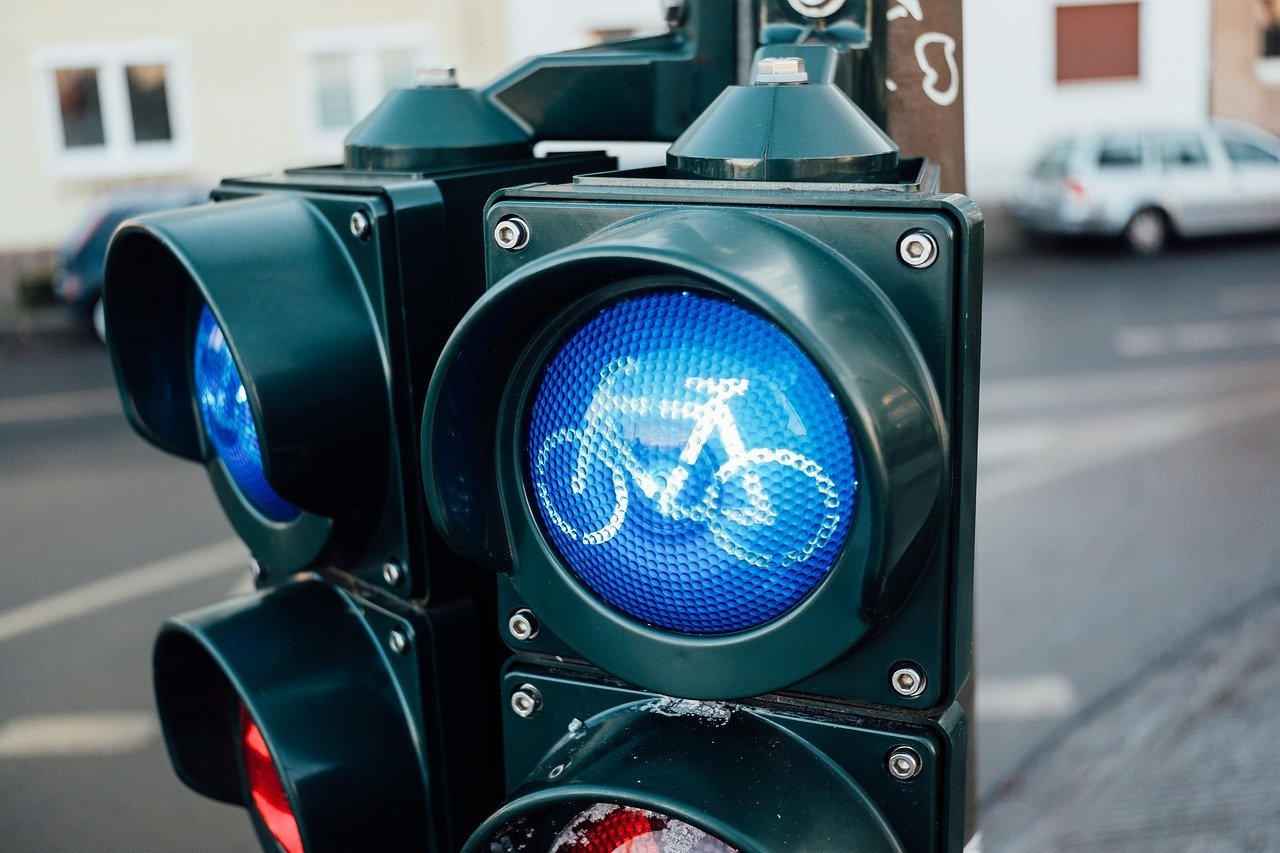
Be a Buoypal
Maintain a safe speed and be aware of the waves and wake your boat creates. No one likes a show-off, especially not the grumpy old man fishing peacefully in his canoe who gets toppled by your tsunami-esque wake.
Ahoy, Maties! Communication for the seas
Always inform someone responsible on land about your boating plan. Sure, you might feel like Captain Jack Sparrow venturing into the unknown, but it’s smart to tell someone where you’re going and how long you’ll be gone. You remember what happened to Mr. Sparrow, right? Yep, marooned!
Frequently Asked Questions
Why do I need a lifejacket if I can swim?
Imagine having to dog paddle in the open sea after your boat has sprung a leak because Barry thought it was a good idea to have a BB-gun fight on board. Yes, that’s why you need a lifejacket!
How do I know if a lifejacket fits me properly?
Try it on! It shouldn’t be so tight that you can’t breathe and not so loose that it can slip off your head.
Is alcohol allowed on a boat?
Yes, but the captain shouldn’t drink. Operating a boat under the influence is a crime, and crashing into a whale is just embarrassing.
How many flares should I have on board?
The more, the merrier. Keep at least three for shorter trips.
What should I do if I see a red flag with a black square in the center?
That’s not a pirate flag but a hurricane warning! Immediately seek shelter.
Conclusion
So, there we have it, landlubbers—a crash course in boating safety. It might seem like a lot, but trust me, “winging it” on the open water is not an option! From prepping your boat and wearing the right lifejackets, to checking the weather conditions and maintaining a righteous respect for maritime markers, these tips will keep you safe, secure, and ready to sail the seven (or perhaps just one) seas.