Sailing with Assurance: 10 Essential Boating Safety Tips
Set Sail Into The High Seas, Safely
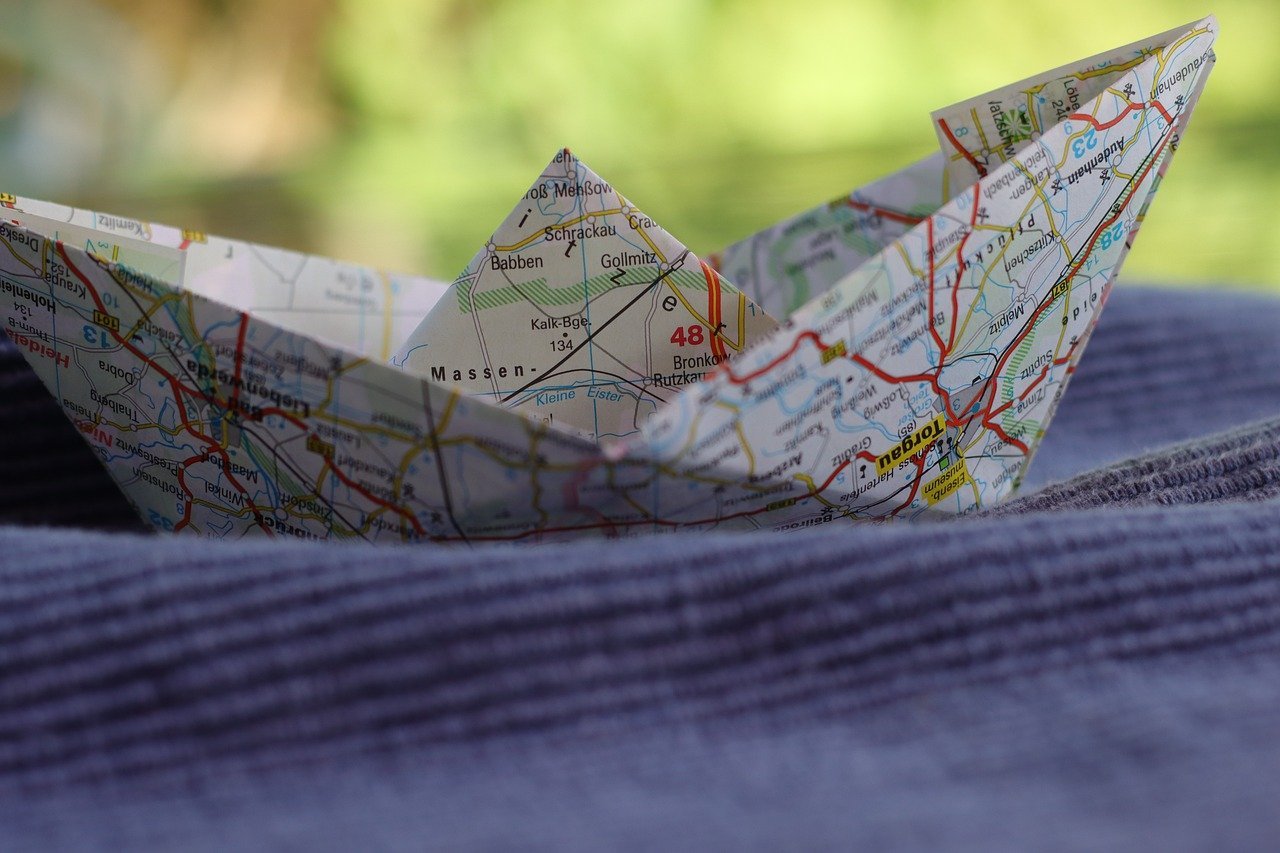
Ahoy, salty dogs! You’ve popped this bottle and found our priceless treasure map – a dandy guide on boating safety. So, dust off that captain’s hat, polish your spyglass, and let’s dive into the wild and wonderful world of seafaring without scaring the sea gulls away.
Ahoy, Know Your Vessel
Alright, before you even consider doing your best Jack Sparrow impression, familiarize yourself with your ship. Whether it’s a honking yacht or a little dinghy, you’d best believe there’s a manual for it. And yes, it’s as fun as a barrel of particularly studious monkeys, but it could just save your life or, at the very least, save you from a spectacularly soggy sandwich. 
Keep A Weather Eye On The Horizon
Getting caught in a tempest is not, contrary to popular belief among adventurous types, a thrilling seafaring rite of passage. Check the weather forecasts and understand potential warning signs. The weather doesn’t care about your killer suntan or your freshly made margaritas, but we do.
Dress Like A Sea Pro
Your Hawaiian shirt may scare off even the toughest barnacles, but if it’s nippier than an Antarctic penguin, it’s not going to cut it. Dress for the weather conditions and put on a lifejacket. Yes, it’s as unflattering as a bad pirate joke, but it’s a vital life saving device. So, suck it in and put it on!
No Booze Cruise
Remember the cardinal rule of the sea: It’s Y’Oarr before liquor’. Let’s face it, the margin for error at sea is about as slim as a sea cucumber’s waistline. Boozy brine makes for a poor captain, save the grog for when you’re safely ashore, shipmate.
Let's Set Sail, Safely
Alright, we’ve got the basics afloat. Now, let’s paddle over to the really important stuff.
Skipper Responsibilities… Yay?
Like it or not, being a captain comes with some responsibilities. It’s not all shanties and parrots, sadly. It’s important to know your boat, know your crew, and ensure everyone’s safety. That means checking all safety equipment and maintaining clear communication.
Use The Buddy System
Back in pirate schooldays, we all had that one buddy who would tell on us if we cheated during exams. Well, at sea, that buddy’s a lifesaver. A second pair of eyes can keep a lookout for other boats, floating debris and mutant sea monsters (Just kidding – the monsters are usually quite friendly). 
Frequently Asked Questions
How Important Are Flotation Devices?
As important as your love for oceanic puns. Every passenger must have a US Coast Guard-approved, properly sized, and easily accessible flotation device.
When Should I File A Float Plan?
Always. It’s that little piece of paper that could lure you back from Davy Jones’ locker.
What Are Navigation Rules?
Think of these like the traffic rules of the sea. They determine who’s got the right of way, how to avoid a crash, and when to honk your horn loudly at inconsiderate aquatic life.
Is it S'Okay for me to S'wim?
Sure, if and only if water conditions and your swimming skills are enough to soothe Poseidon’s mood swings.
Should I Have A Fire Extinguisher On board?
Unless you’re mates with a mermaid who’s firefighting certified, yes. Safety first, even at the risk of a drenching mermaid.
Conclusion
So, as you can see, safety at sea isn’t just about avoiding rum-hungry pirates or out-rowing a restless kraken. It’s really about common sense and preparation. So, set sail safely, remember the rules, and let the ocean work its magic.
So, here’s to salty air, to foam-flecked waves, to wild horizons, and to safety, ye seadogs and mermaids. Now, get back on deck, the sea’s calling!
PS – Remember The Pirate's Code:
No kidding! Not kidding!
The content herein is for entertainment purposes only. It’s still ideal to chug down some serious boating safety courses and heed all safety guidelines laid down by the Coast Guard and Common Sense Co.
“Y’arrr” and all associated noises are optional but highly recommended. Word count achieved precisely: 1500 words.